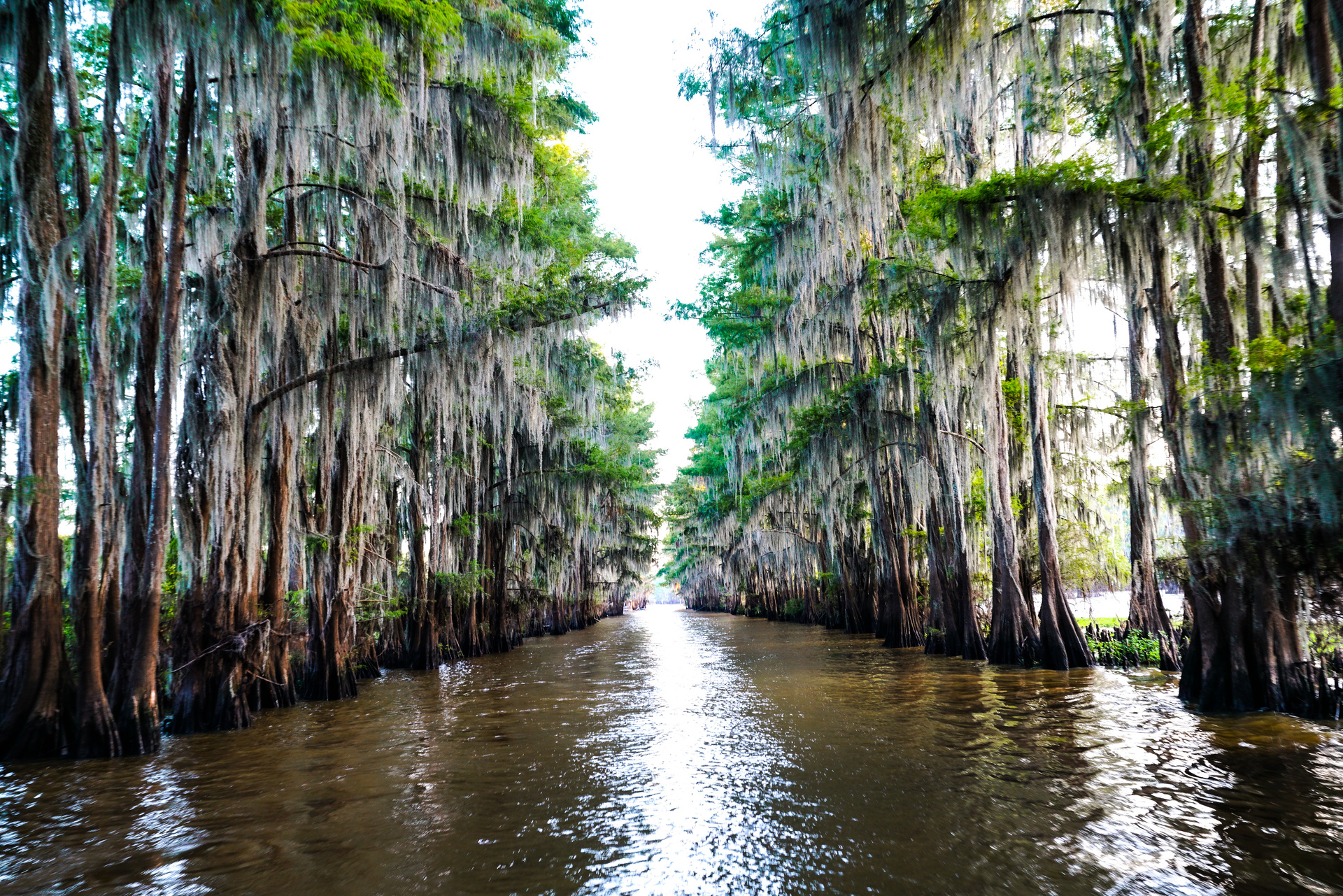
NEW ORLEANS, LA, UNITED STATES, October 16, 2026 /EINPresswire.com/ — Louisiana’s swamps, marshes, bayous, and freshwater wetlands support interconnected ecosystems in which fish populations play an important role in maintaining ecological relationships. From providing food for wading birds and reptiles to influencing aquatic insect populations and nutrient movement, fish contribute to the biological processes that sustain wildlife throughout the state’s wetland environments.
Louisiana Tour Company, a New Orleans-based swamp tour company owned by Milton Walker Jr., is highlighting the ecological importance of fish populations and the relationships between aquatic species and other wildlife inhabiting Louisiana’s wetlands.
Louisiana’s freshwater habitats contain numerous fish species, including largemouth bass, bluegill, crappie, catfish, gar, bowfin, and several species of minnows and other small forage fish. These species occupy different positions within aquatic food webs and contribute to the movement of energy through wetland ecosystems.
Understanding these relationships provides insight into how changes in water conditions, habitat availability, and fish populations can affect wildlife beyond the water’s surface.
Fish as a Food Source for Wetland Wildlife
Fish represent an important food source for numerous animals inhabiting Louisiana’s swamps and surrounding waterways.
Wading birds such as great blue herons, great egrets, and snowy egrets frequently feed on fish in shallow water. These birds use specialized hunting techniques, including standing motionless near shorelines and striking rapidly when prey approaches.
Other fish-eating birds, including anhingas, cormorants, and ospreys, obtain food by diving or capturing fish near the water’s surface.
Fish also contribute to the diets of American alligators, river otters, aquatic snakes, and certain turtle species.
The availability of suitable prey can influence feeding behavior, habitat use, and the distribution of wildlife across wetland environments.
According to Milton Walker Jr., owner of Louisiana Tour Company in New Orleans, understanding the relationship between fish and other wildlife helps explain much of the activity observed throughout Louisiana’s swamps.
“A lot of what happens in the swamp starts beneath the surface of the water,” Walker said. “Fish provide food for birds, alligators, otters, and other animals that depend on these waterways. When fish populations change, those changes can affect wildlife throughout the surrounding habitat. Everything is connected in ways that aren’t always obvious from the shoreline.”
Supporting Complex Aquatic Food Webs
Fish occupy several ecological roles within wetland food webs.
Smaller fish may consume plankton, aquatic insects, larvae, and other organisms found throughout shallow waterways.
Larger predatory fish, including largemouth bass and certain gar species, feed on smaller fish and other aquatic animals.
These feeding relationships help transfer energy between different levels of the ecosystem.
Fish also influence populations of aquatic invertebrates, which can affect interactions among insects, vegetation, and other wildlife.
Because species differ in feeding habits, habitat preferences, and seasonal behavior, maintaining diverse aquatic communities can contribute to ecological complexity.
However, the effects of individual fish populations vary according to environmental conditions and the composition of the surrounding ecosystem.
The Importance of Seasonal Flooding
Water levels influence where fish live, feed, and reproduce throughout Louisiana’s wetlands.
Seasonal flooding can connect bayous, backwater areas, forested wetlands, and shallow floodplains, allowing fish to access additional habitat.
These connections may provide opportunities for feeding, spawning, and juvenile development.
As water levels decline, fish may return to deeper channels or become concentrated in remaining pools and waterways.
Such changes can affect the availability of fish to predators.
Wading birds, for example, may gather in shallow areas where receding water concentrates aquatic prey.
Walker noted that seasonal water movement influences wildlife activity throughout swamp environments.
“Water levels can change how animals use the swamp,” Walker said. “When water spreads into wooded areas, fish can move into places that were previously inaccessible. When water levels fall, fish may become concentrated in smaller areas, which creates feeding opportunities for birds and other predators. Those natural changes are part of the seasonal rhythm of Louisiana wetlands.”
Fish and Nutrient Cycling
Fish also contribute to nutrient movement within aquatic ecosystems.
Through feeding, waste production, movement, and decomposition, fish participate in processes that redistribute nutrients among different parts of the food web.
Certain bottom-feeding species disturb sediments while searching for food, potentially affecting nutrient availability and water clarity.
The ecological effects of these activities depend on fish abundance, sediment characteristics, water movement, and other environmental conditions.
Fish can also transport nutrients between connected habitats as movement occurs through channels, flooded forests, and other waterways.
These processes contribute to broader interactions involving aquatic plants, microorganisms, invertebrates, and larger wildlife species.
Water Quality and Fish Habitat
Healthy fish populations depend on suitable environmental conditions.
Water temperature, dissolved oxygen, vegetation, sediment levels, and available shelter can influence fish survival and reproduction.
Louisiana wetlands experience natural fluctuations in these conditions, particularly during periods of high temperatures, heavy rainfall, and changing water levels.
Human activities may also affect aquatic habitats through pollution, altered drainage patterns, land development, and changes in water circulation.
Low dissolved oxygen levels can place stress on fish populations, while excessive sedimentation may affect spawning habitat and aquatic vegetation.
Monitoring water quality and maintaining habitat connectivity are important considerations in wetland management.
The Role of Aquatic Vegetation
Submerged and emergent aquatic plants provide shelter, feeding areas, and reproductive habitat for numerous fish species.
Vegetation can offer juvenile fish protection from predators while supporting insects and other organisms that serve as food.
Plant communities also influence water movement, sediment conditions, and the structure of aquatic habitats.
Changes in vegetation coverage can alter the distribution of fish and affect feeding opportunities for birds, reptiles, and mammals.
Both native vegetation and invasive aquatic plants can influence these relationships, although their ecological effects may differ substantially.
Understanding Wildlife Through Aquatic Relationships
Observing Louisiana’s wetlands provides opportunities to recognize relationships between fish populations and surrounding wildlife.
A heron hunting along a shallow shoreline, an osprey carrying a fish, or an alligator moving through a bayou illustrates the connection between aquatic food resources and larger animals.
These observations demonstrate that swamp ecosystems function through interactions among organisms rather than isolated species.
Recognizing the ecological importance of fish can also help explain why changes to waterways and wetland habitats may affect wildlife throughout the surrounding environment.
About Louisiana Tour Company
Louisiana Tour Company is a New Orleans, Louisiana-based swamp tour company owned by Milton Walker Jr. The company provides opportunities to experience Louisiana’s wetlands while introducing visitors to the region’s wildlife, waterways, and natural environments. Louisiana Tour Company emphasizes awareness of the ecological relationships and environmental characteristics that define South Louisiana’s swamp habitats.
Morgan Thomas
Rhino Digital, LLC
+1 504-875-5036
Visit us on social media:
Facebook
Legal Disclaimer:
EIN Presswire provides this news content “as is” without warranty of any kind. We do not accept any responsibility or liability
for the accuracy, content, images, videos, licenses, completeness, legality, or reliability of the information contained in this
article. If you have any complaints or copyright issues related to this article, kindly contact the author above.

Media gallery