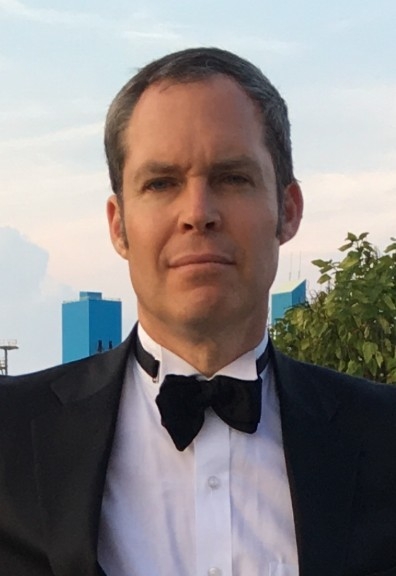
Worsoff Law Firm is speaking publicly about what it describes as growing public confusion surrounding criminal charges, bail hearings, and the early stages of Ontario’s criminal court process.
According to Toronto criminal lawyer Mitchell Worsoff, many people enter the justice system with expectations shaped more by television, social media clips, and headlines than by actual courtroom procedure.
“The average person usually has no idea what happens after an arrest,” said Worsoff. “They expect fast answers, dramatic hearings, and immediate resolutions. Real criminal court is much slower and far more procedural.”
Worsoff, who practiced as a provincial prosecutor in Toronto for ten years before founding his criminal defence practice, says misunderstandings about bail hearings are especially common.
“One of the biggest misconceptions is that bail means the case is over,” he said. “It does not. Bail only determines whether someone remains in custody while the charge moves through court.”
Ontario courts process thousands of bail hearings every year. Release conditions can include curfews, communication restrictions, no-contact orders, geographic limitations, and mandatory reporting requirements.
According to Worsoff, many accused individuals underestimate how serious bail conditions can become.
“I represented someone who was released with conditions preventing him from going near his own workplace,” he said. “People hear the word ‘release’ and assume life goes back to normal immediately. Sometimes it becomes much more complicated.”
Worsoff also says many individuals make damaging decisions in the hours immediately following an arrest.
“People panic,” he said. “They start messaging coworkers, explaining themselves online, forwarding screenshots, and trying to tell their side of the story to everyone around them. That often creates new problems very quickly.”
Statistics Canada continues to report millions of Criminal Code incidents nationally each year, while Ontario courts continue managing large caseloads involving criminal and procedural matters. Legal professionals across the province have also discussed growing court delays and increasing disclosure complexity in recent years.
According to Worsoff, the amount of evidence involved in modern criminal cases has changed dramatically since the late 1990s.
“When I first started practicing, disclosure might arrive in a single folder,” he said. “Now a case can involve thousands of pages, recordings, surveillance footage, phone extractions, and extensive procedural review before trial discussions even begin.”
The firm says another widespread misconception involves silence during police investigations. Many people still believe refusing to answer police questions automatically makes them appear guilty.
“That idea causes a lot of damage,” Worsoff said. “I have seen people talk for an hour because they think staying silent makes them look suspicious. In stressful situations, people often guess at timelines or facts and accidentally create inconsistencies.”
Worsoff says public understanding of plea negotiations is also frequently inaccurate. Contrary to public assumptions, most criminal cases do not proceed to full trial.
“People think every criminal case ends with a dramatic courtroom battle,” he said. “Most cases involve extensive procedural work, evidence review, negotiations, and scheduling long before trial becomes realistic.”
The firm notes that plea discussions remain a standard and lawful part of criminal court procedure across Canada. Courts maintain final authority over sentencing decisions even when resolutions are negotiated between counsel.
Worsoff Law Firm says improving public understanding of the criminal justice process is important because many individuals encounter the system for the first time during highly stressful moments.
“Most people do not spend time learning how criminal court works until they suddenly find themselves inside it,” Worsoff said. “Then they are expected to absorb a huge amount of information under pressure.”
The firm continues representing clients across Ontario in criminal and regulatory matters while emphasizing courtroom preparation, procedural knowledge, and direct communication with clients throughout the litigation process.
About Worsoff Law Firm
Worsoff Law Firm is a Toronto-based criminal defence practice founded by Mitchell Worsoff. Called to the bar in 1997, Worsoff previously served as a provincial prosecutor in Toronto for ten years before transitioning into criminal defence litigation. The firm represents clients across Ontario in criminal, regulatory, and administrative matters.
Media Contact: Worsoff Law Firm https://www.worsofflaw.ca/
Media Contact
Company Name: Worsoff Law Firm
Contact Person: Mitchell Worsoff
Email: Send Email
City: Toronto
State: Ontario
Country: Canada
Website: https://www.worsofflaw.ca/