Hemet, CA HVAC experts explain how heat pumps work, their installation benefits, and signs they need repair.
Hemet, United States – October 27, 2025 / AQS Heating & Air Conditioning /
Heat Pumps Explained
High utility costs and uneven comfort often lead households to consider a heat pump system as an all‑in‑one solution. A modern heat pump provides heating and cooling from a single unit, often with quieter operation and precise control. This overview explains how a heat pump works, the differences between a ducted heat pump and a ductless heat pump (including a mini split heat pump), key benefits of heat pump installation, and the most common signs that heat pump repair may be needed.
What Is a Heat Pump?
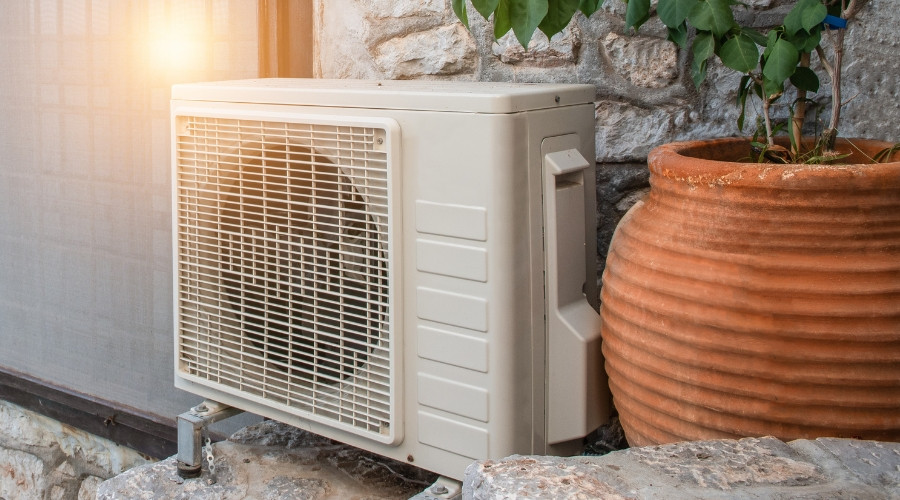
A heat pump is an electric HVAC appliance that moves heat instead of creating it by combustion. In cool weather, the unit transfers available heat from outdoor air indoors; in warm weather, the cycle reverses to remove heat from living spaces. Refrigerant circulates between indoor and outdoor components, absorbing and releasing heat as pressures change, which allows one system to manage year‑round comfort.
Configuration depends on the property. A ducted heat pump connects to supply and return ducts for whole‑home distribution under centralized controls. A ductless heat pump—often called a mini split heat pump—uses compact indoor air handlers to condition specific zones without ductwork, making it well‑suited for additions, older structures, or areas that need independent temperature settings. Both formats rely on the same core technology; selection typically comes down to distribution goals, layout, and aesthetics. Proper heat pump installation includes correct sizing, clean airflow, accurate refrigerant charge, and control setup to support reliable performance from day one.
Benefits of Installing a Heat Pump
 Because a heat pump transfers existing heat rather than generating it from scratch, the approach can support strong efficiency while maintaining steady temperatures. A single heat pump system replaces separate furnace and air conditioner equipment, simplifying the mechanical footprint and reducing the number of components to service. Many systems modulate output to limit temperature swings, and in cooling mode they naturally remove moisture, which supports comfort during humid periods.
Flexibility is another advantage. A ducted heat pump can deliver even distribution through existing ductwork, while a ductless heat pump or mini split heat pump offers zone‑by‑zone control to target specific rooms and reduce operation in seldom‑used spaces. During heat pump installation, upgrading to modern controls—such as smart or multi‑zone thermostats—can fine‑tune schedules and improve coordination between indoor and outdoor units. In many regions, installations may qualify for local incentives, which can help offset upfront costs while aligning with long‑term energy goals.
For properties replacing aging equipment, switching to a heat pump often improves comfort in hard‑to‑condition areas, reduces mechanical room clutter, and unifies seasonal comfort under a single, streamlined system.
Signs Heat Pump Repair Is Needed
 Like any mechanical system, a heat pump provides early clues when service is required. Persistent noises—grinding, squealing, rattling, or banging—may indicate worn bearings, loose components, or motor issues that call for prompt attention. Weak airflow from vents or indoor heads can point to clogged filters, blower problems, or duct restrictions in a ducted setup. Longer run times, short cycling, or difficulty maintaining set temperatures suggest declining performance and the need for professional evaluation and heat pump repair.
Mode problems are another warning sign. If a unit remains in heating when cooling is selected—or vice versa—a reversing valve or control fault may be present. Visible ice on the outdoor unit that does not clear, water around an indoor air handler during cooling, or noticeable changes in energy use without other explanations can indicate airflow, drainage, or refrigerant concerns. Temperature inconsistencies between rooms, especially in multi‑zone or mini split heat pump systems, may stem from sensor placement, low refrigerant, or mechanical wear.
Addressing these symptoms early can prevent larger failures and protect compressors and electronics from avoidable stress. A qualified technician can diagnose root causes, complete the necessary heat pump repair, and advise whether targeted fixes or a planned upgrade will deliver the best long‑term outcome.
About AQS Heating & Air Conditioning
AQS Heating & Air Conditioning is a family-owned and operated HVAC company providing expert HVAC solutions to the communities of Hemet and the surrounding areas. Call them today for on-time service and straightforward pricing on heat pump services in Hemet, CA.
Contact Information:
AQS Heating & Air Conditioning
1000 N State St Unit 119
Hemet, CA 92543
United States
Mike Smith
(951) 356-7658
https://www.aqsair.com/


